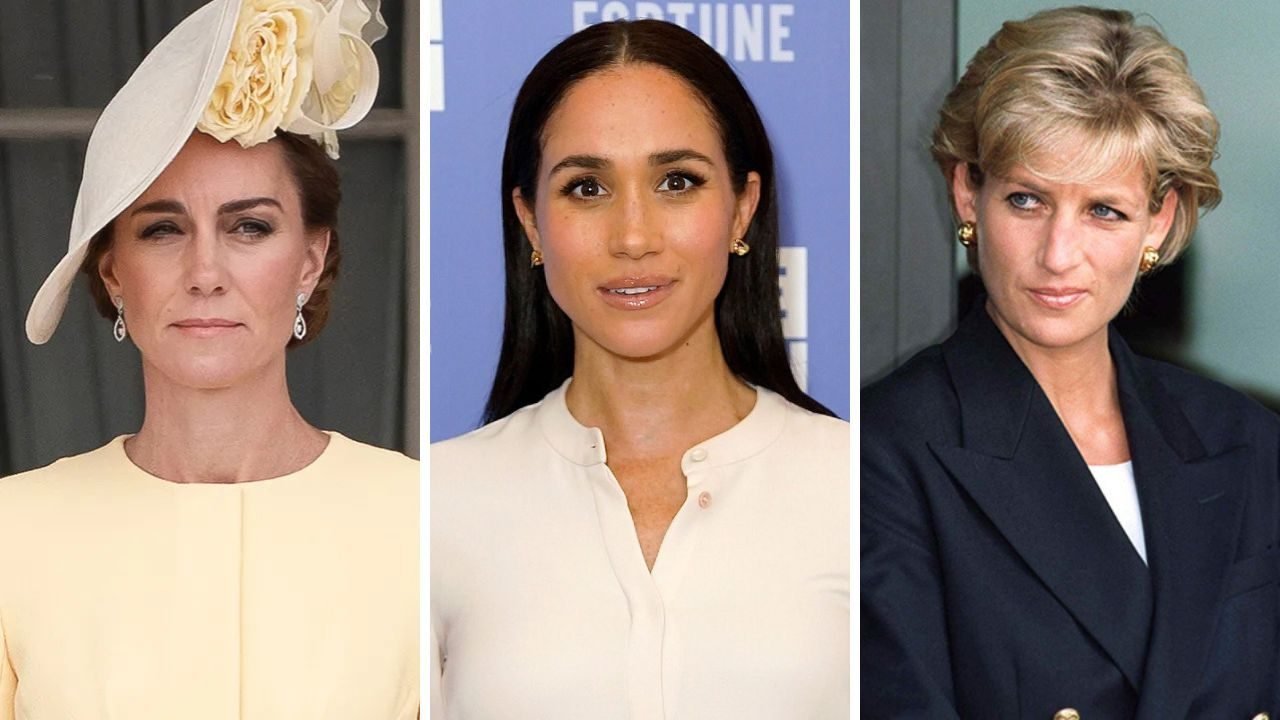
In the quiet gardens of Althorp, where lavender once brushed against Princess Diana’s childhood skirts, a different kind of storm is brewing. It’s a storm not of weather, but of memory—and the delicate line between tribute and self-promotion.
At the heart of this tempest is a photo. A simple image, perhaps meant as a family memento: Prince Harry and Meghan Markle’s children, Archie and Lilibet, seemingly carrying flowers toward their grandmother’s grave. But in the world of royal watchers and tabloid headlines, no image is ever simple. Almost immediately, accusations flew—that this was less a private moment of remembrance and more a calculated publicity move.
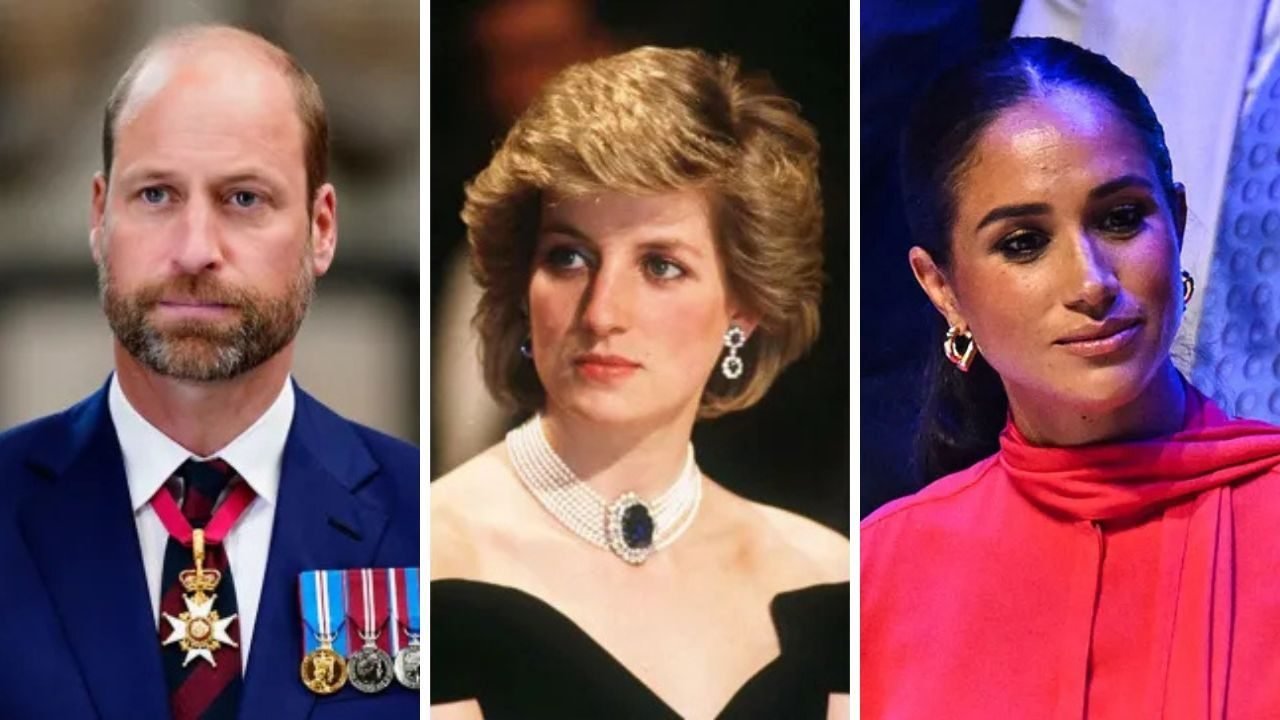
According to sources, Prince William was deeply disturbed. One insider claimed he felt the photo was an obvious grab for attention, calling it “vulgar” and “beyond disrespectful.” For William, the grounds of Althorp are not a backdrop; they are the soil where his mother’s memory rests. To see that sacred space potentially used as a stage was, by all accounts, a betrayal.
But the roots of this conflict run deeper than a single photograph. The latest flashpoint involves the Diana Award gala, a charity event that both brothers have historically supported. Reports suggest that William intervened to prevent Harry and Meghan from attending, fearing that the evening would become a “relaunch pad” for Meghan in the UK. The event was abruptly canceled, and the Sussexes’ spokesperson denied they had ever planned to attend. Yet the damage was done—another crack in an already fractured relationship.
Why does this matter beyond the palace walls? Because it touches on something universal: how do we honor our loved ones when our lives are intertwined with public expectations? Diana herself was a master of using her platform for good, but she also fiercely guarded her private moments. In death, her memory has become a symbol—of compassion, of resilience, of a certain kind of magic that transcended royalty. But symbols are tricky things. They can inspire, but they can also be claimed, fought over, and diminished.
William’s reported reaction—a mix of anger and sadness—speaks to a simple human truth: grief is not a performance. It is raw, personal, and often silent. When it becomes fodder for headlines, something precious is lost. The flowers at a grave are not props; they are offerings. The act of carrying them is not a photo op; it is a pilgrimage.
Of course, we don’t know the full story. Perhaps the photo was innocent, a way to include the children in a family ritual. Perhaps the gala plans were misreported. But the deeper issue remains: in a world where every move is scrutinized, can a family grieve together without it becoming a spectacle?
Diana’s legacy is vast—her charity work, her warmth, her ability to connect. That legacy belongs to everyone who was touched by her. But her memory, in its most intimate form, belongs to her sons. And as they navigate their own paths, one thing is clear: the garden of memory is not a battlefield. It is a place where love should be allowed to grow, quietly and without cameras.
Maybe the greatest tribute we can pay to Diana is to let her rest in peace—and to let her family find theirs.
Source: https://stylecaster.com/entertainment/celebrity-news/1234947116/william-meghan-diana-event/