The Unexpected Canvas Beneath the Tracks
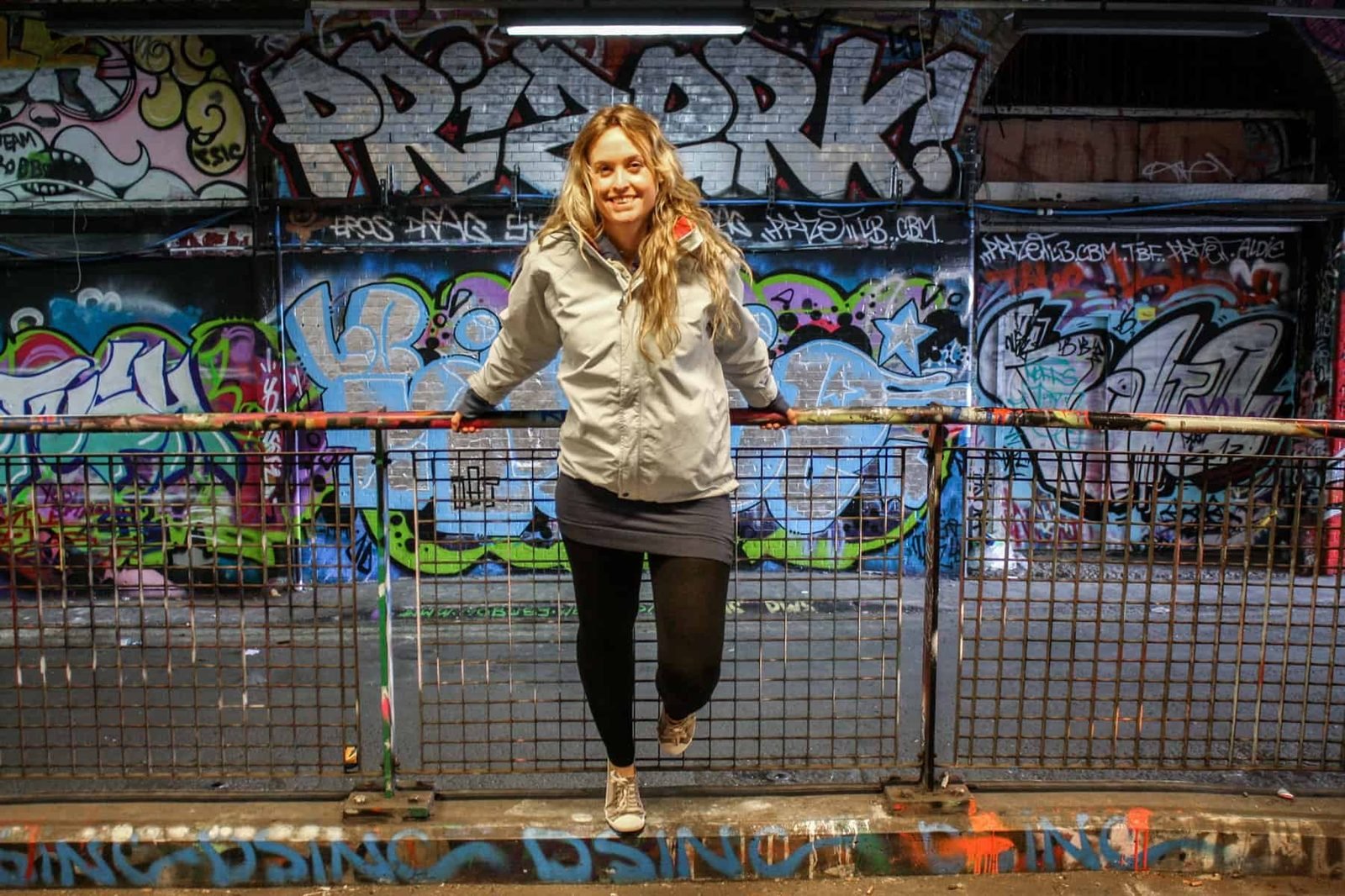
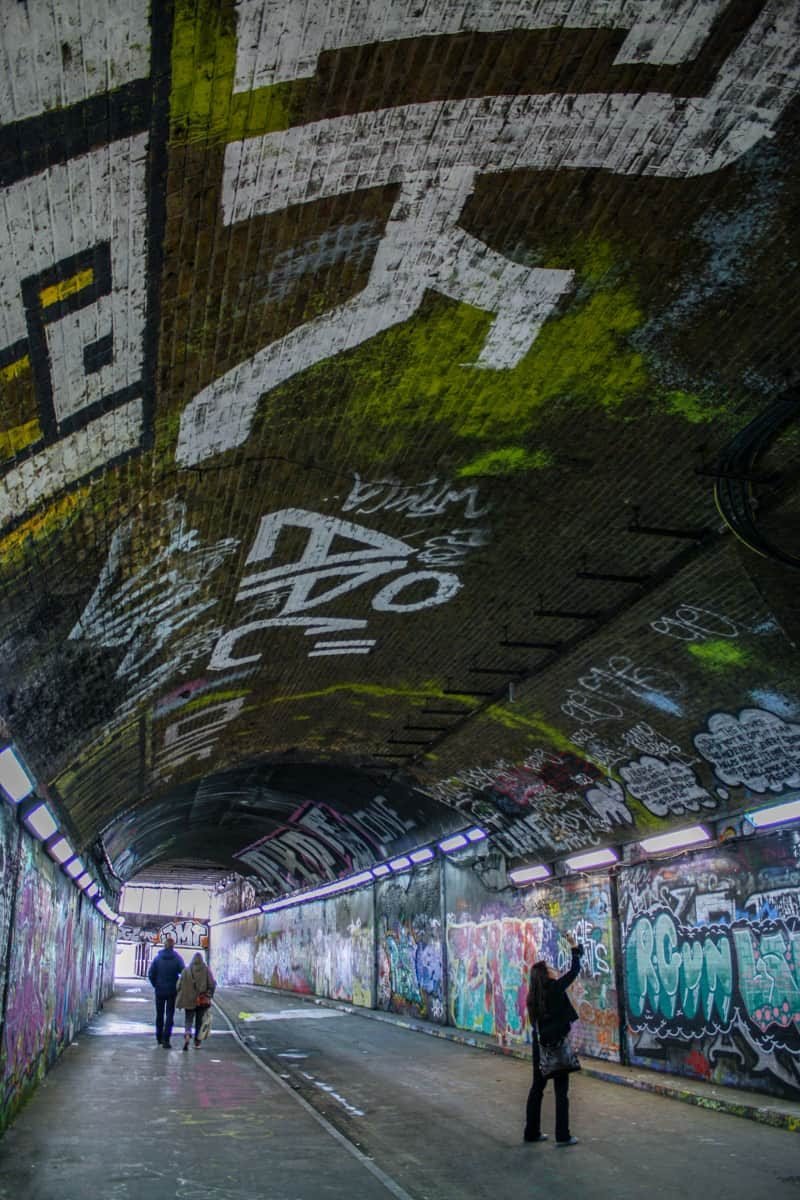
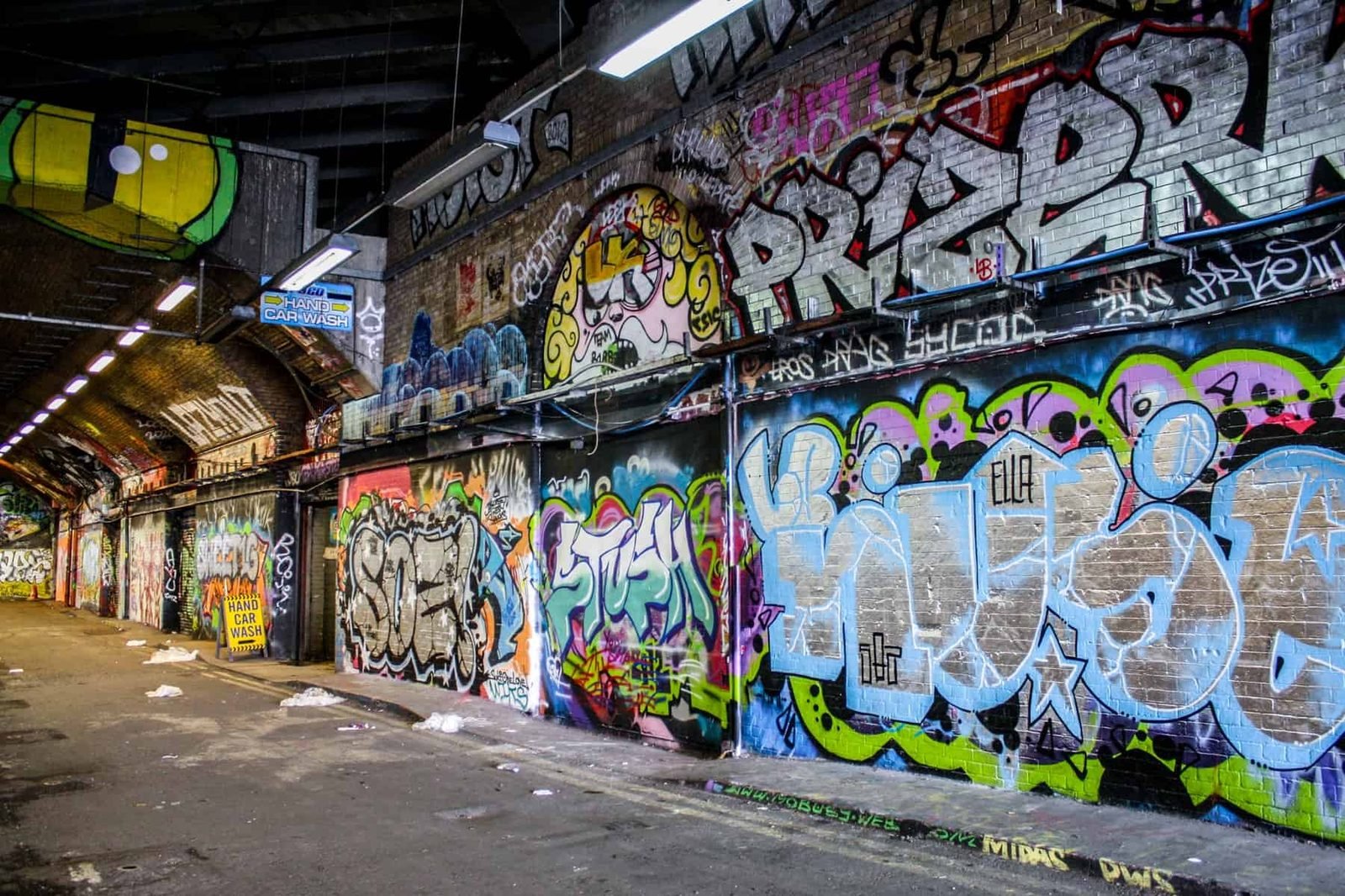
You might rush past it on your way to the London Eye, but beneath the thundering trains of Waterloo Station lies a secret that only the curious stumble upon: Leake Street, a graffiti tunnel that pulses with colour and raw creativity. It’s a place where the city’s underbelly becomes a living, breathing art gallery—and once you find it, you’ll never see street art the same way again.
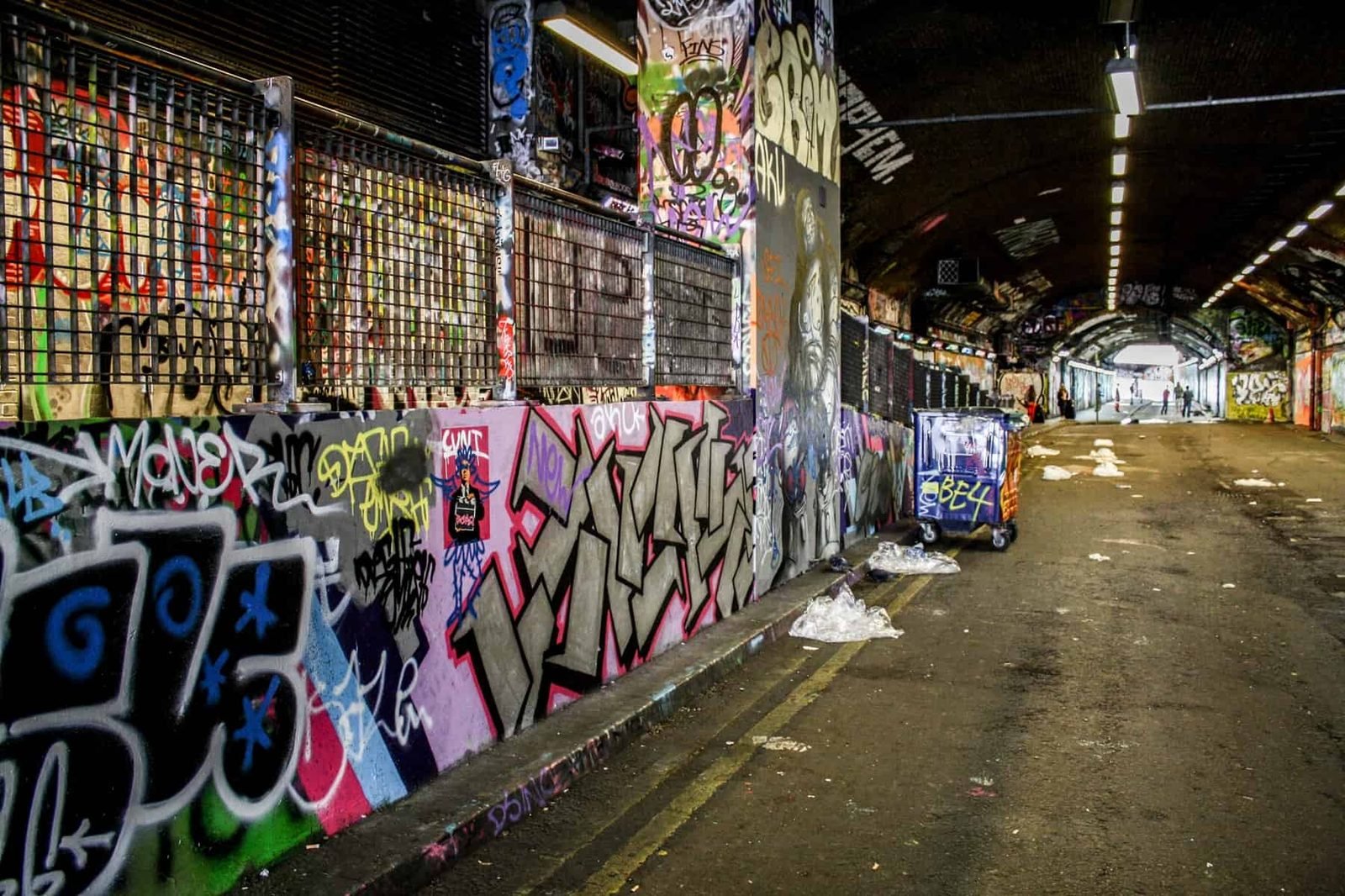
A five-minute walk from the station’s main exit, just off York Street, leads you into the Leake Street arches. This authorised graffiti area is a permanent fixture that most tourists overlook, but for those in the know, it’s a sanctuary of self-expression. Without the art, it would be just another dark, dingy walkway. With it, the tunnel transforms into a kaleidoscope of political statements, humour, and bold design—now even flanked by trendy bars and eateries. It’s proof that not all graffiti is a blight; sometimes, it’s a beautiful rebellion.
A Legacy Born from Banksy
In 2008, the elusive Banksy chose this forgotten filth pit to host a graffiti exhibition, aiming to turn it into “an oasis of beautiful art.” He kept the location secret until the grand unveiling, and since then, the tunnel has become a canvas for anyone with a spray can. Though Banksy’s own work has long been painted over—so much for “The Banksy Tunnel”—his spirit lives on in every new layer of paint.
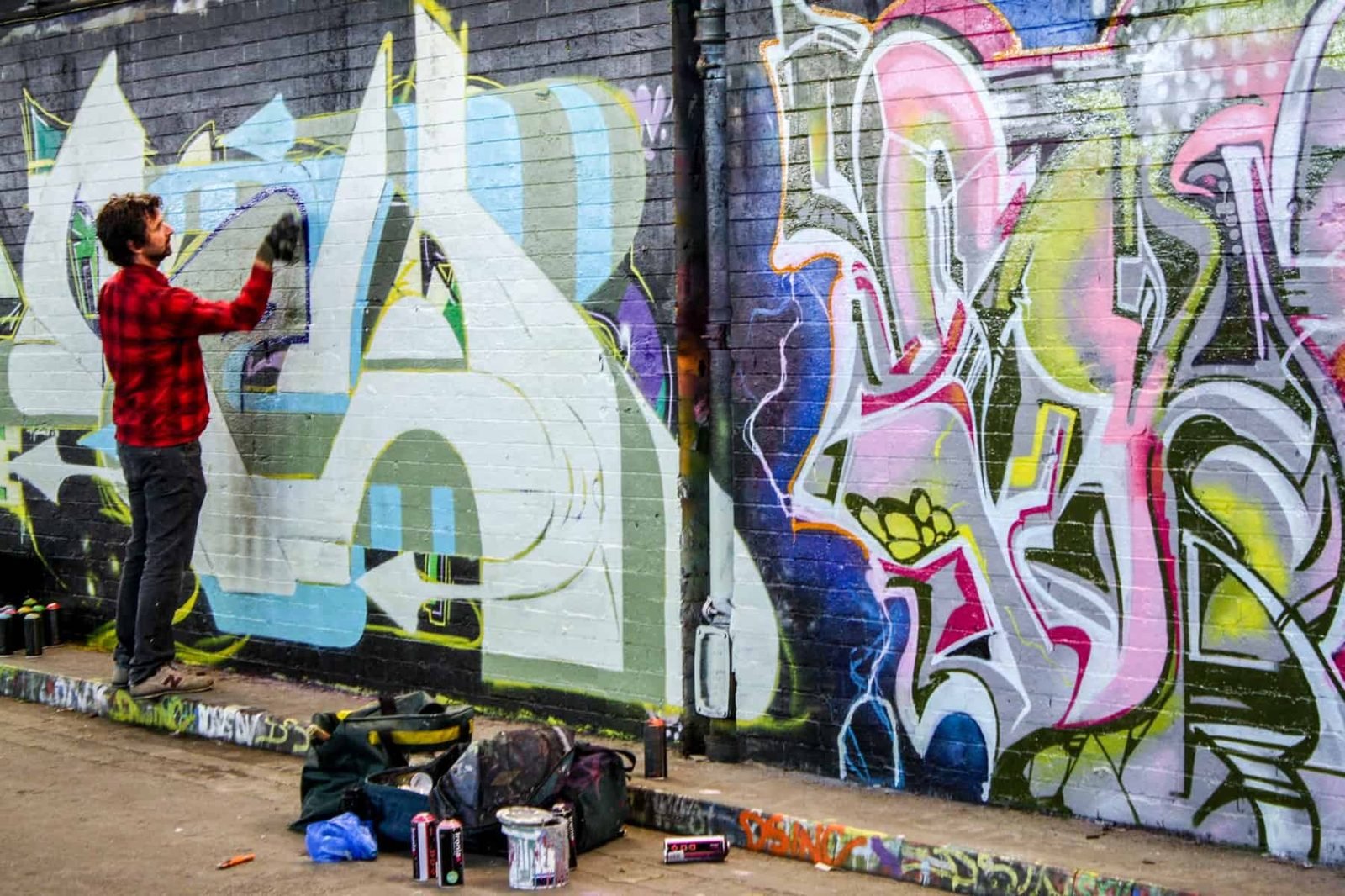
On my last visit, I was lucky to catch three artists in action. One of them, Solo, has been part of the UK graffiti scene since the late eighties. He paints nearly every day, travelling the world to ply his craft. I asked him how he defines his style. “My style is freestyle graf,” he told me. “I do not draw what I paint; I just show up to the wall, so I have no idea how it will turn out. I like to mark out letterforms and destroy them in the painting. Some you win, some you don’t.”
I had assumed graffiti was a hobby, but Solo corrected me: it’s his full-time job. That revelation shattered my childhood memories of my brother getting scolded for scribbling on walls. Here was a professional artist, shaping public spaces with intention and skill.
When Spray Cans Serve a Cause
Solo’s journey began with hip-hop culture, but over time, he’s channeled his art into positive causes. He recently worked on the Brixton Windmill Restoration mural with Positive Arts, an organisation that engages communities in urban areas. He’s also painted the Albert Street School in Johannesburg for refugee children and the Ansty Building, working with inner-city kids in South Africa. Hearing about such projects fills me with hope—graffiti for social good gets my vote every time.
In the Waterloo tunnel, a piece might only last a few days before it’s covered over. Yet in that brief lifespan, it can inspire, provoke, and beautify. I caught a glimpse of the pride an artist feels when they step back from a finished wall, knowing their mark is both ephemeral and eternal.
More Than a One-Time Visit
Shoreditch boasts London’s largest collection of street art, including recent Banksy works, and the scene there is constantly evolving. The Waterloo tunnel is no different—each visit offers something new. The art stretches beyond the tunnel to a dead end, connecting to an old railway bridge, so there’s always more to explore.
Street art is transforming cities worldwide. If you’re intrigued, check out how Athens uses murals as political expression or how Linz, Austria, has reinvented itself through creative spaces. But start with Leake Street. It’s a reminder that art doesn’t belong only in galleries—sometimes, it thrives in the most unlikely places, waiting to be discovered.
So next time you’re near Waterloo, take a detour. Step into the tunnel, breathe in the paint fumes, and witness a living masterpiece in progress. You never know what you might find.
Source: https://www.bordersofadventure.com/london-graffiti-tunnel/